Choosing Between Asphalt and Spray Seal for Long-Lasting Driveway Surfacing in Huntingdon, Cambridgeshire
Choosing the right driveway surface can make a significant difference to your property’s appearance, everyday usability and long-term maintenance needs. Asphalt and spray seal are two surfacing options worth considering, but they work differently and are suited to different site conditions. Understanding their characteristics can help homeowners in Huntingdon, Cambridgeshire, select a surface that meets their practical requirements.
The best choice depends on factors such as the condition of the existing driveway, the strength of its foundation, expected vehicle use and how effectively water can drain away. Huntingdon Driveways can help assess these considerations and identify a suitable surfacing solution for your property.
What Is Asphalt Driveway Surfacing?
Asphalt is a mixture of aggregates bound together with bitumen to create a durable, relatively smooth surface. It is commonly used for driveways because it provides a consistent finish that can accommodate regular vehicle movements when properly installed over a suitable foundation.
One of asphalt’s main advantages is its uniform appearance. The compacted surface creates a neat finish that works well for residential driveways, parking areas and access routes. Its relatively smooth texture also makes everyday use straightforward.
However, long-term performance depends on more than the asphalt itself. The supporting base must be stable, the surface needs adequate drainage, and the installation must be suited to the expected traffic. Poor preparation can lead to cracking, depressions and premature deterioration, even when the surface material is appropriate.
Routine attention to small cracks and drainage problems can help prevent minor defects from developing into more significant issues.
What Is Spray Seal Surfacing?
Spray seal is a surfacing method in which a layer of bitumen binder is sprayed onto a prepared surface and covered with aggregate. Depending on the specification, the process may involve one or more applications of binder and stone.
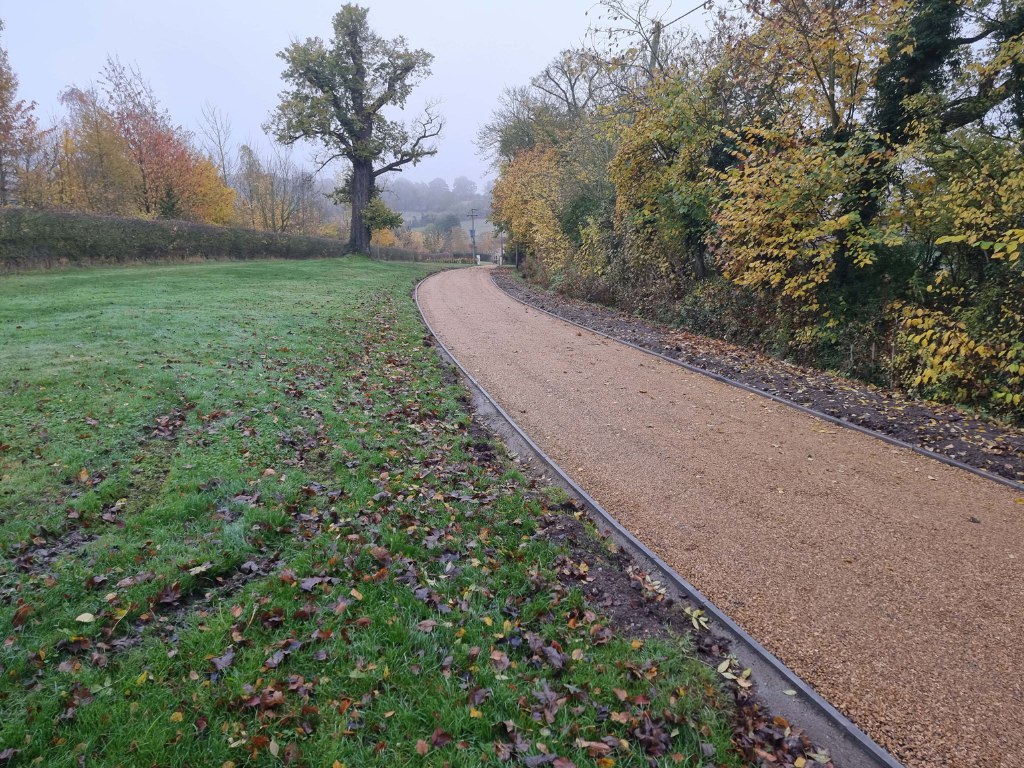
Unlike a conventional asphalt finish, spray seal typically has a more textured appearance because the aggregate remains visible at the surface. It can be used to protect suitable existing pavements or as part of a new surfacing system, provided the underlying construction is appropriate.
Spray seal can be particularly useful where the existing pavement is structurally sound but needs renewed surface protection. It is not, however, a substitute for repairing a failed foundation. Significant potholes, unstable sections and drainage defects should be assessed and addressed before sealing work begins.
The quality of the finished surface depends on correct preparation, suitable materials, appropriate weather conditions during application and adequate control of loose aggregate.
Asphalt vs Spray Seal: The Main Differences
The most suitable option depends on what you need from your driveway.
Appearance: Asphalt generally provides a smooth, uniform finish, while spray seal has a more textured appearance. Your preference may depend on the style of the property and the look you want to achieve.
Surface condition: Asphalt may be suitable for a newly constructed driveway or a surface requiring a more substantial paved finish. Spray seal can be appropriate for protecting a sound existing pavement, depending on its condition and the proposed system.
Vehicle use: Both options need a properly prepared foundation. The driveway’s expected traffic, including the frequency of vehicle movements and any heavier vehicles, should influence the design and material selection.
Maintenance: Neither surface is completely maintenance-free. Asphalt should be monitored for cracking, potholes and drainage issues. Spray-sealed surfaces may require attention to aggregate loss, binder deterioration and areas where the seal has worn away.
Drainage: Neither material automatically resolves poor drainage. The driveway must be designed and graded to direct water away appropriately, helping protect the surface and its supporting layers.
A professional assessment can establish which option is better suited to the property’s existing conditions and intended use.
Which Driveway Surface Is Best for Huntingdon Properties?
For homeowners in Huntingdon, Cambridgeshire, local ground conditions, rainfall exposure, drainage and the way a driveway is used should all be considered before choosing a surfacing method.
Asphalt may be the better fit when a smooth, consistent finish is a priority and the project requires a newly constructed or extensively renewed surface. Spray seal may be suitable when the existing pavement remains stable and a protective surface treatment is appropriate.
The condition of the foundation is especially important. If the driveway has widespread cracking, recurring potholes or areas that have sunk, applying a new surface layer without correcting the underlying problem may lead to further deterioration. In these circumstances, repairs or more extensive reconstruction may be necessary before the final surfacing is installed.
Choosing a surface based on its suitability for the site, rather than appearance alone, helps support reliable performance over time.
How to Extend the Life of Your Driveway
Regardless of the surfacing method, good preparation and ongoing care are essential for long-term performance.
Keep drainage channels and outlets clear so that water does not collect on or around the driveway. Look for developing cracks, loose aggregate, potholes and depressions, particularly after periods of heavy rain or frequent vehicle use. Addressing these signs early can help prevent water from weakening the underlying layers.
It is also important to ensure that repairs use compatible materials and address the cause of the damage. Repeatedly treating visible defects without correcting drainage or foundation problems is unlikely to provide a lasting result.
Huntingdon Driveways can assess the surface condition, identify areas requiring attention and recommend a practical approach based on the property’s needs.
Conclusion
Asphalt and spray seal can both provide effective driveway surfacing when the material and installation method suit the site. Asphalt offers a smooth, uniform finish, while spray seal provides a textured surface that can protect a suitable existing pavement. The right choice depends on the driveway’s condition, foundation, drainage and expected use.
If you are considering a new driveway or looking to improve an existing surface in Huntingdon, Cambridgeshire, contact Huntingdon Driveways to discuss your requirements and arrange an assessment of the most suitable surfacing option for your property.
Call us on: 01480 271 895
Click here to find out more about Huntingdon Driveways
Click here to complete our contact form and see how we can help with your driveway needs.